
How Strong Mitochondria Support Energy and Daily Vitality?
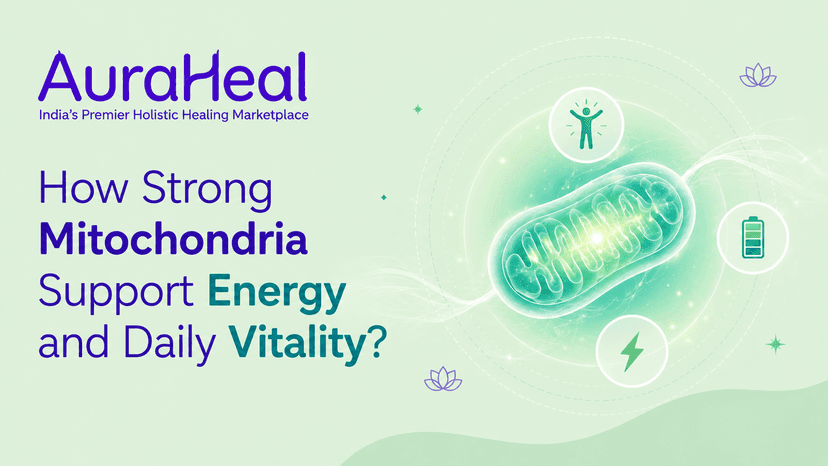
Fatigue, brain fog, and poor recovery may be attributed to either stress or lack of sufficient rest; however, the health of your mitochondria is equally essential in ensuring your wellness. The mitochondria are microscopic organs found within your cells that produce energy for your bodily functions such as movement, brain activity, metabolic rate, and healing.
Healthy mitochondria ensure you have a lot of energy and resilience, while unhealthy mitochondria may affect your general vitality. Learn more to discover how supporting your mitochondrial health can naturally boost your energy and well-being.
Why Healthy Mitochondria are Important for Your Energy
Mitochondria use carbohydrates, proteins, and fats derived from food to create energy in the form of ATP through the process of cellular respiration. ATP is the basic energy currency of any cell, fueling such activities as movement, thinking, metabolism, and repair.
Efficient functioning of mitochondria results in a steady energy level. On the contrary, if they become inefficient, ATP production becomes insufficient, causing fatigue, low stamina, slow metabolism, and decreased vitality.
Signs of Poorly Functioning Mitochondria
Mitochondria are involved in most activities of your body; therefore, poor mitochondrial health affects numerous systems at once. Some signs of poorly working mitochondria include:
Continuous fatigue despite good sleep
Low energy during the day
Brain fog and lack of concentration
Memory problems
Weakness of muscles
Decreased tolerance of physical activities
Slow recovery from exercises
Increased number of illnesses
Increased inflammation
Feelings of exhaustion
Although there can be many reasons for this state, impaired mitochondrial function is becoming one of the factors contributing to reduced energy and vitality.
What Can Impact Mitochondrial Health?
There are a number of daily factors which can either positively or negatively impact your mitochondria. The common causes are:
Oxidative Stress
During energy production, mitochondria produce some free radicals. In small amounts, it is quite normal. However, oxidative stress caused by an unhealthy lifestyle, poor nutrition, pollution, or diseases can damage the mitochondrial membrane and DNA, decreasing their efficiency.
Nutrient Deficiencies
Efficient production of ATP by your mitochondria requires certain vitamins and minerals. Lack of magnesium, B vitamins, iron, and some amino acids can reduce energy production and cause fatigue.
Chronic Stress
Constant stress increases cortisol levels and may cause inflammation and disturb mitochondrial repair. With time, this can lead to reduced energy production.
Bad Sleep
Most of the cellular repair occurs during deep sleep, including recovery of mitochondria. Poor sleep may reduce mitochondrial function, thus causing fatigue even after rest.
Environmental Toxins
Exposure to pesticides, heavy metals, pollution, cigarette smoke, and industrial chemicals can increase oxidative stress and prevent proper functioning of mitochondria.
Age
With time, the quantity and efficiency of mitochondria naturally decrease. Production of ATP becomes inefficient while oxidative damage gradually increases. This results in reduced energy, slowed metabolism, muscle atrophy, and other age-related changes in health.
Nutrients Which Can Improve Mitochondrial Health
Nutrition is one of the key elements for maintaining healthy mitochondria. Here are some key nutrients which can help improve your mitochondrial health:
Coenzyme Q10 (CoQ10): This substance is important for energy production in the mitochondria. In addition, CoQ10 acts as a strong antioxidant, protecting mitochondrial cells from oxidative damage. Levels of CoQ10 in your body gradually decrease with age.
Magnesium: It is involved in hundreds of enzymatic reactions, including ATP production. Without enough magnesium, your body will not be able to convert nutrients to energy.
B Vitamins: Vitamins B1, B2, B3, B5, B6 and B12 are all involved in energy metabolism. These vitamins assist in the conversion of carbohydrates, fats and proteins to ATP and support a healthy nervous system.
Alpha-Lipoic Acid: It is a strong antioxidant reducing oxidative stress and supporting healthy energy metabolism in the mitochondria.
Omega-3 Fatty Acids: Healthy fats contained in fatty fish, walnuts, flaxseeds and chia seeds are important for maintaining healthy mitochondrial membranes, improving their efficiency.
Antioxidants: Fruits and vegetables rich in antioxidants (berries, spinach, broccoli, beetroot, carrots and bell peppers) help to protect your mitochondria from damage caused by free radicals.
Lifestyle Habits That Promote Mitochondrial Functioning
Healthy mitochondria develop over time with good habits and practices rather than a single action. Here are some common habits to adopt:
Exercise Often
Exercising is one of the most efficient ways to promote the health of the mitochondria in the body. Physical exercises are known to trigger mitochondrial biogenesis, which is the process that helps in forming new mitochondria.
Depending on the exercise, one will receive different health benefits from their physical exercise:
Aerobic Exercises will enhance oxygen flow and endurance.
Strength Exercises will be helpful in energy production by muscles.
High-Intensity Interval Training (HIIT) will aid in increasing the density of the mitochondria and the efficiency of the mitochondria.
Zone 2 Cardio exercises will aid in fat metabolism and improve the efficiency of the mitochondria.
Regular exercise will be beneficial in helping your cells to become more efficient in the production of energy and improving your recovery.
Have Good Quality Sleep
Aim for 7–9 hours of quality sleep each night. During deep sleep, your body repairs damaged cells, supports mitochondrial regeneration, and restores energy for the next day.
Control Stress
Simple stress management techniques such as meditating, yoga, breathing deeply, journaling, being outdoors, and taking walks can be helpful in lowering cortisol levels, hence promoting the health of your mitochondria.
Eat Whole Foods
Eating foods that have high nutrients such as vegetables, fruits, lean proteins, healthy fats, legumes, nuts, seeds, and grains is beneficial to your mitochondria and will help in the production of energy.
Practice Time-Restricted Eating
Practicing intermittent fasting and overnight fasting can be helpful in aiding mitophagy, where your body will get rid of damaged mitochondria and replace them with new ones.
The Bigger Picture: Mitochondria and Long-Term Wellness
Healthy mitochondria go beyond just helping with your energy in the body. Your mitochondria play a crucial role in supporting brain functions, heart health, muscle functions, immune functions, metabolic health, healthy aging, and resilience against both physical and mental stresses.
Since all organs in the body need energy, having healthy mitochondria will be very useful in ensuring the efficient functioning of all organs. Although aging leads to the natural degradation of mitochondrial functions, one's lifestyle choices may greatly influence how healthy the mitochondria can remain.
Good choices such as regularly exercising, consuming foods that are rich in nutrients, sleeping adequately, controlling stress, and minimizing exposure to toxins will help your cells stay healthy and energetic.
Conclusion
Mitochondrial health forms the basis of your body's energy, resilience, and overall well-being. Healthy functioning mitochondria will ensure that your cells efficiently produce energy and will result in enhanced stamina, focus, recovery, and vitality. Mitochondria health does not depend on complicated practices but simple acts such as eating balanced meals, regular physical exercise, sleeping well, and having good lifestyle practices.
Take the next step towards better energy and holistic wellness. Book a session today with the expert healers at AuraHeal and begin your journey to feeling your best, naturally.
Keep Exploring

Larimar: Meaning, Properties, Uses and Crystal Care!
Larimar is a rare blue crystal associated with calmness, clear communication, emotional balance, and inner peace.

Green Aventurine: Meaning, Properties, Uses and Crystal Care
Green Aventurine is a green crystal associated with luck, prosperity, emotional balance, personal growth, and positive energy.

Kambaba Jasper: Meaning, Properties, Uses and Crystal Care!
Kambaba Jasper is a dark green stone with distinctive black circular patterns, traditionally associated with grounding, calmness, and emotional balance.
Ready to Realign Your Energy?
Discover the root cause of your energetic blocks with Babita Ji — experience a profound shift completely complimentary.
Book Free Session Now