
Nadi Shodhana Breathing: Benefits and How to Practice!
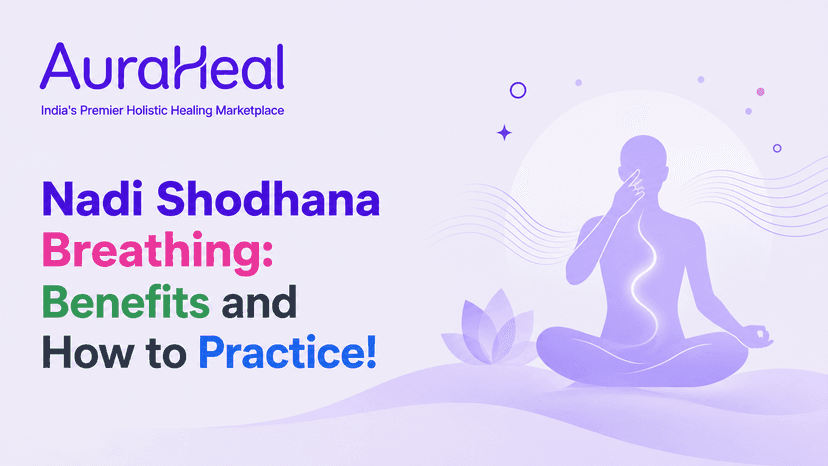
Nadi Shodhana Pranayama is one of the most relaxing and balancing breathing techniques in yoga. Also called Alternate Nostril Breathing, this ancient technique has been used for centuries to calm down the mind, regulate the breath, and make the flow of life energy throughout the body even. Unlike dynamic breathing techniques that energize the body, Nadi Shodhana balances the energies, and that makes it the perfect practice for stress reduction, focus increase, and preparation for meditation.
According to yoga philosophy, the good state of physical and emotional well-being depends on the free flowing prana. When the energy flows smoothly through all body's channels, you automatically become more calm, concentrated, and emotionally balanced. Nadi Shodhana is the technique aimed at the clearing of these channels, so that your mind and body could work harmonically. Continue reading to know how Nadi Shodhana works, what are its benefits, how to practice it correctly, and how it can bring harmony into your life.
What is Nadi Shodhana Pranayama?
The name Nadi Shodhana comes from Sanskrit.
Nadi means energy channel.
Shodhana means cleansing or purification.
Pranayama is the practice of regulating and expanding the flow of prana through the breath. Combined, Nadi Shodhana means the practice of purifying the body's energy channels through regulated breathing.
According to yoga philosophy, there are thousands of subtle channels, called nadis, that carry prana throughout the body. In ancient yogic texts, almost 72,000 nadis are described, and only three of them are considered especially important.
The aim of Nadi Shodhana is to balance Ida and Pingala, so the energy could flow more easily through Sushumna and bring physical, mental, and emotional harmony.
Benefits of Nadi Shodhana Breathing
Regular practice of this technique provides numerous benefits both for physical health and emotional well-being. Here are some of them:
Stress and Anxiety Reduction
One of the best known benefits of Nadi Shodhana is its relaxing impact on the nervous system. The slow controlled breathing encourages the body to move from the state of stress and many people feel their lower anxiety levels, lesser amount of racing thoughts, and better emotional balance just after several minutes of the practice.
Mental Clarity Improvement
The balanced breathing improves the concentration and focus of the practitioner. Students, professionals, and meditators use Nadi Shodhana before the study or work because it stimulates the mental sharpness without causing any tension or restlessness.
Healthy Breathing Support
Practicing the alternate slow nostril breathing improves the breath awareness and encourages the efficient work of the lungs. Due to the regular practice, the breathing becomes deeper, smoother, and more relaxed in everyday activities.
Nervous System Balance
Researches have shown that Nadi Shodhana contributes to the better balance between the sympathetic nervous system, providing the reaction "fight or flight," and the parasympathetic nervous system, responsible for the relaxation and recovery of the body.
Preparation for the Meditation
According to many yoga traditions, it is recommended to practice Nadi Shodhana before meditation. As the breathing becomes stable, the distractions disappear naturally, so it is much easier to go into the meditative state.
Balanced Energy Flowing
From the yogic point of view, the main benefit of Nadi Shodhana is the balanced flowing of Ida and Pingala Nadis. When these energy channels are in harmony, the practitioners experience greater emotional balance, more clarity of thought, and inner peace.
Nadi Shodhana vs. Anulom Vilom
These two techniques look alike, but they are not identical.
Anulom Vilom is considered to be the simpler variant of alternate nostril breathing technique that focuses on the smooth inhalation and exhalation without the advanced breath retention. It is usually recommended for beginners.
Nadi Shodhana is traditionally regarded as the more advanced pranayama that includes the kumbhaka (breath retention) after the inhalation or exhalation. This additional element is supposed to have a more profound impact on the nervous system and the body's subtle energy.
It is safer and more effective for beginners to learn the basic pattern of alternate nostril breathing first.
How to Practice Nadi Shodhana Properly
Taking time to do Nadi Shodhana slowly and thoughtfully will allow you to enjoy its benefits to the fullest. Here is how you can perform it:
Find a comfortable seat: Sit on the floor or a chair in a straight position. Let your shoulders relax and place your left hand on your knee.
Put your hand correctly: Fold your index and middle fingers towards your palm or keep them lightly pressing against the area between the eyebrows. Use your thumb and ring finger to control the flow through the nostrils.
Start practicing alternate nostril breathing: Seal the right nostril with your thumb and breathe in slowly through the left nostril. After inhaling, seal the left nostril with your ring finger, unblock the right nostril, and breathe out slowly through the right one.
Perform the breathing technique: Breathe in through the right nostril, change positions, and exhale through the left nostril. Perform 5 to 10 cycles and let your breath flow smoothly.
Also Check: Kapalabhati Pranayama: How to Recharge Your Aura Naturally?
Common Mistakes and How to Avoid Them
Here are some mistakes that most of the people tend to make and ways to fix them:
Forcing Breaths and Making Them Uneven: People often mistakenly think that the harder they try, the better the outcome is. However, the breathing should be light, soundless, and smooth. Try to keep your face, jaw, and tongue completely relaxed.
Holding Breath Too Long and with Excessive Effort: Holding breath is not supposed to be a competition. If your breath retention makes you red-faced and tense your shoulders, do not force yourself. Start with the short breath retention and gradually increase it during several months.
Sagging Posture: Your spine should naturally be erect. Imagine that there is a thread pulling the crown of your head upwards. Any bend of the spine interrupts the energy flow and makes breathing difficult due to constriction of the diaphragm.
Tight Eye Closure: Your eyes should be closed softly. The whole practice should have a quality of ease, not effort.
Conclusion
Nadi Shodhana is a breathing practice that gives balance to both your body and mind. Cleansing the energy channels and calming your nervous system help to achieve the state of focus, stability, and harmony inside of you. You do not need to have anything special except the time and attention for performing Nadi Shodhana every day.
Make mindful breathing a meaningful part of your wellness journey. Book a personalized session with AuraHeal experts today.
Keep Exploring

Flower Agate: Meaning, Properties, Uses and Crystal Care!
Flower Agate is a beautiful crystal associated with growth, emotional balance, confidence, and gentle personal transformation.
Fire Quartz: Meaning, Properties, Uses and Crystal Care!
Fire Quartz is a vibrant and powerful crystal associated with grounding, emotional strength, motivation, confidence, and energetic balance.
Ocean Jasper: Meaning, Properties, Uses and Crystal Care!
Ocean Jasper is a colorful jasper known for unique orb-like patterns and is commonly associated with emotional balance, positivity, and relaxation.
Ready to Realign Your Energy?
Discover the root cause of your energetic blocks with Babita Ji — experience a profound shift completely complimentary.
Book Free Session Now