
Withdrawal: Why Do I Want to Hide from Everyone?
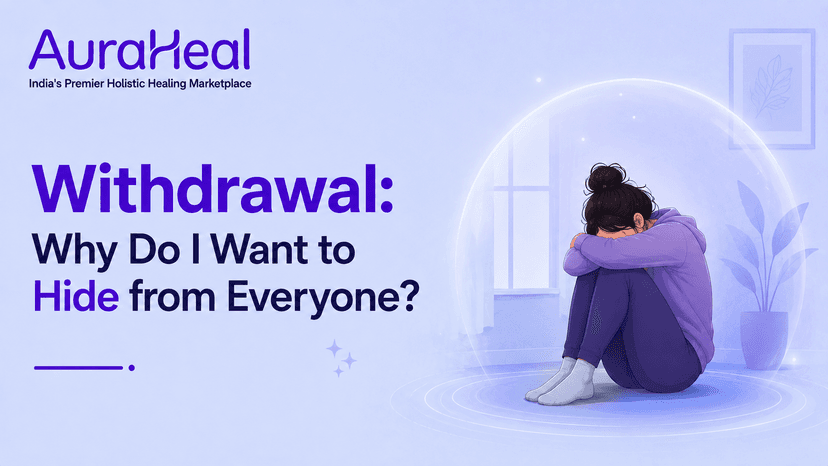
Withdrawal from society may start silently, unnoticed at first. Missed calls may lead to unanswered texts, cancelled plans, and increasing desire to stay alone. On some occasions, solitude seems pleasant as it helps the mind relax. However, constant withdrawal may also be a sign of emotional exhaustion, anxiety, depression, shame, low self-esteem, or fear of rejection.
Just having the urge to withdraw from everyone does not mean that there is something seriously wrong with you. Everyone needs privacy, especially after experiencing a stressful situation. The crucial thing to look out for is the underlying reasons behind this need for privacy, duration, and impact on your life. Learn more to understand the causes, signs, effects, and healthier ways to cope with social withdrawal.
What Does Social Withdrawal Mean?
Social withdrawal can be described as limiting interaction and communication with other people. The process might include refusal to talk to people, refusing to attend different events, not answering messages, and isolating oneself. Some individuals prefer to spend their time alone in order to rest and recharge in case of low emotional resources or excessive workload.
However, social withdrawal might happen because of fear of being judged, rejected, criticized, embarrassed, confronted, or being emotionally vulnerable. This makes it important to understand the difference between healthy solitude and prolonged social isolation. Healthy solitude feels intentional and refreshing, while unhealthy withdrawal can feel difficult to control and may gradually affect relationships, work, studies, self-care, sleep, and emotional well-being.
Why Do I Want to Hide from Everyone?
There are multiple psychological and emotional reasons for the urge to be away from others. This feeling does not happen just because of one reason. The following are some of the most common reasons behind this urge to withdraw from others.
Emotional Exhaustion May Lead to Social Withdrawal
If your mind is constantly overloaded with tasks, problems, and uncertainties, then social interaction will be perceived as another challenge.
You may not answer calls because you just cannot endure another conversation. You may ignore your friends because you find it too tiring to explain how you feel.
While it may be a temporary solution to your problems, social withdrawal may lead to increased loneliness and emotional fatigue.
Anxiety May Make You Afraid of Interactions
Another common cause of social withdrawal is anxiety. Social events make a person excessively worried about the perception they make.
You might keep asking yourself what you are going to say before starting a conversation. You might be scared of saying something wrong or making mistakes.
People with anxiety may also have certain physical symptoms, including sweating, trembling, rapid heart rate, stomach pain, or shortness of breath.
Read More: Why Some People Exhaust You and How to Save Your Energy?
Depression May Lessen Your Desire to Communicate
A depressive disorder changes the way one feels about his or her life and relationships. Activities that once seemed interesting no longer seem valuable to the depressed individual.
You may stop meeting your friends as nothing seems interesting anymore. Moreover, even such simple things as dressing up or leaving the house may be hard for you.
Depression may also induce a feeling of emotional numbness so that one does not want to communicate consciously but lacks the energy to do so. Consequently, social withdrawal becomes a part of the problem.
Low Self-Esteem and Shame May Cause Isolation
Self-esteem plays a significant role in social interactions. If a person perceives themselves as inadequate, they think that others think about them in negative terms.
Previous experience with criticism, bullying, rejection, or troubled relationships may reinforce this perception. You may believe that people are better off without you or avoid communicating because you fear rejection and being criticized.
Being Hurt or Emotionally Vulnerable Can Lead to Social Withdrawal
Emotional pain can make you temporarily pull away from others. Being hurt by someone or having trouble in your relationships can make the connection feel dangerous.
You might feel like being alone keeps you protected from more disappointments. Also, you can avoid having conversations that might bring up painful memories.
Taking some distance can help you deal with your emotions and recover from them. But spending too much time being isolated makes it hard for you to get any support. If the desire to hide goes on even though the situation has already passed, it may be good to explore the emotions behind the withdrawal.
Signs That Your Social Withdrawal Can Become Problematic
Social withdrawal usually happens gradually. It is important to recognize its symptoms in order to address them effectively. You may have noticed that you:
Cancel plans and never reschedule them.
Ignore calls and messages for long periods.
Skip family parties or other social events.
Get annoyed when people ask how you are doing.
Stop participating in things you used to enjoy.
Avoid places where you might run into someone.
Spend most of your free time being alone.
Feel nervous before having regular conversations.
Get tired faster during social interactions.
Cannot maintain relationships.
Do not care about your appearance.
Have trouble doing your work or studies or household chores.
Having one symptom of social withdrawal is not necessarily a big issue. It depends on the pattern, the amount of time, and the effect it has on your functioning.
How Can You Start Getting Back to Social Interaction?
Getting out of social withdrawal is not about making yourself sociable all the time. The following easy actions can help you get back to social life.
Reestablish Connections with One Person You Trust: Choose someone whom you know will accept you. At first, a short message can be enough.
Get Back to Fun Activities: Spend time on the things that used to be enjoyable for you. Doing familiar activities makes getting back to life easier.
Go for Low-Pressure Social Interactions: Have brief talks instead of socializing at a party. Meeting one person for a little while is easier than going to a big gathering.
Practice Self-Compassion: Do not blame yourself for pulling away from people. It is much better to understand your emotions without judging them.
Understand the Reason for Pulling Away: Understand what makes you pull away. It can be anxiety, sadness, stress, grief, rejection, or emotional exhaustion.
Conclusion
Wanting to hide from everybody is your mind's reaction to stress, fear, emotional pain, or emotional exhaustion. The feeling should not be judged but explored. You don't have to force yourself to socialize all the time. You should think about what makes it hard for you to connect right now.
Book a session today on AuraHeal and connect with an expert healer who can support your journey toward greater emotional balance and connection.
Keep Exploring

Larimar: Meaning, Properties, Uses and Crystal Care!
Larimar is a rare blue crystal associated with calmness, clear communication, emotional balance, and inner peace.

Green Aventurine: Meaning, Properties, Uses and Crystal Care
Green Aventurine is a green crystal associated with luck, prosperity, emotional balance, personal growth, and positive energy.

Kambaba Jasper: Meaning, Properties, Uses and Crystal Care!
Kambaba Jasper is a dark green stone with distinctive black circular patterns, traditionally associated with grounding, calmness, and emotional balance.
Ready to Realign Your Energy?
Discover the root cause of your energetic blocks with Babita Ji — experience a profound shift completely complimentary.
Book Free Session Now