
How Chakra Healing Works: A Simple Guide for Beginners!
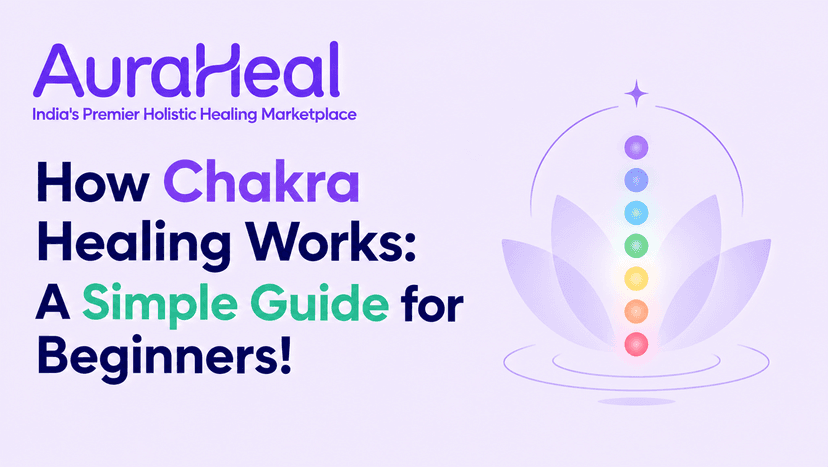
Chakra healing is a holistic practice aimed at balance, self-awareness, and energy. Originating from the ancient Indian tradition, chakra healing involves seven main energy centers and their impact on different emotional, psychological, physical, and spiritual aspects of a person's well-being.
For beginners, chakra healing techniques can be simple, including meditation, yoga, breathwork, visualization, and sound healing practices. Such methods can promote relaxation, self-reflection, and a better connection with your inner experiences. Learn more about how chakra healing works, what the seven chakras represent, and simple techniques you can practice at home.
What are Chakras?
Chakra is a term derived from Sanskrit meaning "wheel" or "circle." In chakra systems, chakras are described as energy centers positioned on the central line of the body, from the base of the spine to the crown of the head.
Seven chakras are the most frequently discussed. Each chakra has its traditional position, color, and associations with specific emotional or spiritual qualities.
Chakras are a part of traditional spiritual and wellness systems and not an officially recognized medical or psychological phenomenon. So, while chakra healing can complement other healthy habits, it should not be considered a substitute for professional treatment.
The Seven Main Chakras Explained
Knowing more about the seven chakras will make it easier to explore chakra healing techniques and balancing practices. Here are the seven main chakras and the qualities they traditionally symbolize.
1. Root Chakra – Stability and Security
The Root Chakra, or Muladhara, is traditionally positioned at the base of the spine. It is associated with grounding, safety, stability, survival, and basic needs.
Feeling insecure, fearful, or disconnected may make practitioners pay attention to this chakra. Grounding, mindful breathing, spending time in nature, and creating a stable daily routine are usually helpful practices.
2. Sacral Chakra – Creativity and Emotions
The Sacral Chakra, or Svadhisthana, is positioned under the navel. It is associated with emotions, creativity, pleasure, relationships, and self-expression.
Practices involving engaging in creative activities, dancing, moving in a gentle way, meditation, and reflecting on emotions are usually helpful for exploring this chakra.
3. Solar Plexus Chakra – Confidence and Personal Power
The Solar Plexus Chakra, or Manipura, stands for confidence, motivation, self-esteem, discipline, and personal power.
Practitioners dealing with persistent self-doubt or difficulties with setting boundaries can explore this chakra. Affirmations, visualization, yoga, and mindful breathing are helpful practices.
4. Heart Chakra – Love and Compassion
The Heart Chakra, or Anahata, is traditionally positioned in the middle of the chest. It stands for love, compassion, forgiveness, connection, and emotional openness.
Meditation, practicing gratitude, self-compassion, forgiveness practices, and conscious breathing can be helpful for heart chakra healing.
5. Throat Chakra – Communication
The Throat Chakra, or Vishuddha, stands for communication, honesty, listening, and authentic self-expression.
Practicing chanting, humming, journaling, speaking, and listening mindfully can help people reflect on their communication patterns associated with this chakra.
6. Third Eye Chakra – Intuition and Awareness
The Third Eye Chakra, or Ajna, is traditionally positioned between eyebrows. It is associated with intuition, insight, imagination, and awareness.
Chakra healing practices associated with this chakra include meditation and visualization. Quiet reflection can also help to become aware of thoughts and emotional patterns.
7. Crown Chakra – Spiritual Connection
The Crown Chakra, or Sahasrara, is located on top of the head in traditional chakra systems. It stands for spirituality, consciousness, wisdom, connection, and purpose.
Practicing meditation, mindfulness, contemplation, and prayer can be helpful for crown chakra healing.
How Does Chakra Healing Work?
Various practices are used in chakra healing to promote mindfulness, relaxation, and balance within yourself. The following are the ways that chakra healing might influence your thoughts, feelings, and energy awareness:
Reflect on Your Emotional Patterns
There might be a connection between particular emotional patterns and individual chakras. For instance, self-doubt may inspire someone to work on the solar plexus chakra.
Develop Self-Awareness
The practices of chakra will help you become more conscious about your thoughts, feelings, physical sensations, and reactions.
Promote Mindfulness
By meditating and doing breathwork exercises, you can help yourself slow down, observe emotions, and respond to situations with increased awareness.
Achieve Inner Balance
Exploring various chakras is a great structure to reflect on the topics of confidence, communication, relationships, emotions, and spirituality.
Create Your Own Well-being Practice
Different chakra healing techniques can be combined according to your comfort, personal goals, and preferred approach.
Popular Chakra Healing Practices
Beginners can use several simple practices of chakra healing without having to follow complex rituals. The following are some common practices used to facilitate chakra healing:
Meditation: Concentrate on one of the chakras while breathing slowly and mindfully observing your thoughts.
Breathwork: Slow and intentional breathing will help to relax and concentrate during chakra meditation.
Yoga: Practice yoga poses to increase body awareness, relaxation, and concentration while reflecting on traditional chakra associations.
Visualization: Visualize the traditional color of a chakra while observing its qualities and emotions connected with it.
Sound Healing: Practice chanting, humming, mantras, or sounds to create a meditation with your increased concentration.
Recognizing Possible Chakra Imbalances
Chakra traditions connect different emotional and behavioral patterns with specific energy centers. Here are some common signs that may indicate areas you can explore through mindfulness and chakra healing practices:
Insecure, unsafe, or disconnected feelings may be associated with the root chakra.
Emotional overload, guilt, or the inability to express your creativity may be connected to the sacral chakra.
Lack of confidence, self-doubts, or problems with setting personal boundaries may be related to the solar plexus chakra.
Inability to express your feelings, communicate with honesty, or speak out may indicate problems with the throat chakra.
Problems with concentrating, trusting your intuition, or understanding your thoughts may motivate you to do the third eye chakra practices.
Feeling spiritually disconnected, directionless, or lacking a sense of purpose may be a sign to explore the crown chakra.
Conclusion
Chakra healing is a convenient framework for exploring energy, emotions, mindfulness, and inner balance. There are seven chakras, which represent different topics: grounding, confidence, communication, spiritual connection, etc.
Practicing chakra healing regularly can lead to increased self-awareness and moments of calmness. Be patient and ready to explore with an open mind and realistic expectations. Want to explore your energy deeper? Book a chakra healing session now on AuraHeal and get professional advice from skilled healers.
Keep Exploring

Blue Crystals: Meaning, Properties, and Communication!
Blue crystals are associated with communication, self-expression, emotional balance, calmness, and confidence in expressing thoughts.
Purple Crystals: Meaning, Benefits, and Intuitive Properties
Purple crystals are associated with intuition, spiritual awareness, inner peace, emotional balance, and personal growth.
How Crystals May Support Emotional and Spiritual Well-Being?
Crystals may support emotional and spiritual well-being by encouraging mindfulness, reflection, relaxation, and balance during self-care.
Ready to Realign Your Energy?
Discover the root cause of your energetic blocks with Babita Ji — experience a profound shift completely complimentary.
Book Free Session Now