
7 Signs of Chakra Imbalance and Healing Techniques!
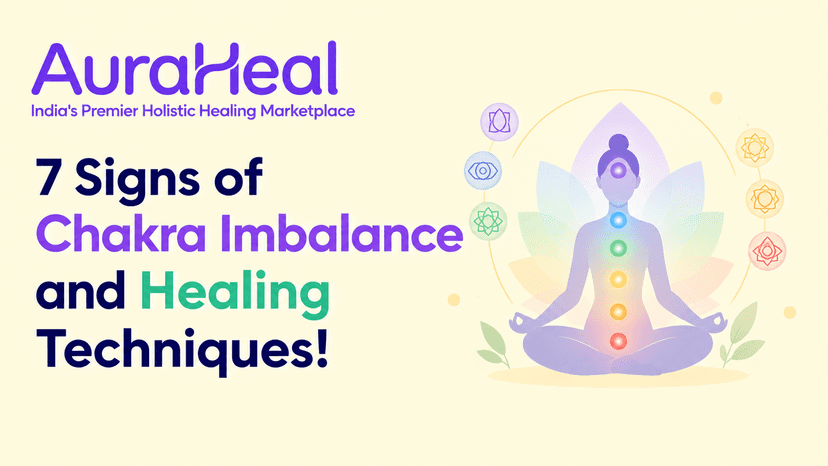
Chakra balance is usually associated with being grounded, emotionally stable, mentally clear, and connected with yourself. In traditional Indian culture, chakras represent 7 main energy centers that relate to your physical, emotional, mental, and spiritual health. When these centers are balanced, you can feel calmer, focused, confident, and connected.
When they are imbalanced, it may manifest through stress, lack of energy, emotional instability, and overthinking. Traditional chakra practices have been related to yoga, meditation, and breathwork that were used to increase self-awareness and inner harmony. Learn more about signs of chakra imbalance and easy chakra healing techniques that can help restore balance.
What is Chakra Imbalance?
Chakra imbalance means a disturbance of energy flow in one or more energy centers. In traditional chakra philosophy, an energy center can become underactive, overactive, or blocked due to certain emotional patterns, stress, physical tension, or disconnection.
In order to reveal these patterns, stress, unprocessed emotions, poor sleep, limited physical activity, and excessive mental stimuli are required. However, such symptoms as fatigue, headaches, anxiety, or digestive problems may have a wide range of causes. Physical or emotional symptoms must always be checked by a certified healthcare specialist.
7 Signs of Chakra Imbalance to Watch For
Here are 7 signs that you might have an imbalance in one or several chakras.
1. Being Insecure, Anxious, and Ungrounded
The Root Chakra, or Muladhara, is associated with safety, stability, grounding, and belonging. It serves as the base of the chakra system.
When it becomes imbalanced, you can feel insecure, anxious, restless, or unable to feel grounded. You may be constantly worried about your finances, relationships, responsibilities, or future life plans. Some people also experience disconnection from their bodies and environment.
It is helpful to perform grounding practices to support this chakra. For example, you may walk in nature, do a Mountain Pose, spend some time outside, or use grounding affirmations.
2. Emotional Numbness and Lack of Creativity
The Sacral Chakra, or Svadhisthana, is traditionally related to emotions, pleasure, relationships, and happiness. It is located below the navel and is associated with emotional flexibility and movement.
If there is an imbalance in this chakra, you can feel emotionally numb, lack motivation, lose your creativity, be unable to enjoy activities, or feel uncomfortable about intimacy. Some people have problems with emotional boundaries or need constant stimulation.
In order to heal your Sacral Chakra, you can try creative activities. For instance, you may dance, paint, write, spend time near water, or move in a way that makes you feel joy.
3. Lack of Self-confidence and Ability to Take Action
The Solar Plexus Chakra, or Manipura, is traditionally associated with self-confidence, self-esteem, personal power, decision-making, and motivation. It is located on your upper abdomen.
When you experience its imbalance, you can feel self-doubt, fear of failure, inability to make decisions, or hesitate to take action. Another sign is excess control, perfectionism, irritability, or constant need to prove something to someone.
You can practice breathwork, mindful movement, core-focused yoga, and positive affirmations to support this chakra. Creating healthy boundaries will help you feel more powerful.
4. Being Unable to Give or Receive Love
The Heart Chakra, or Anahata, is located in the middle of your chest and symbolizes love, compassion, forgiveness, gratitude, and emotional connection.
Its imbalance can show up in the form of emotional distance, difficulty in trusting other people, unresolved grief, loneliness, jealousy, or constant self-criticism. Some people have problems receiving love or always sacrifice themselves for others.
Gentle heart-opening yoga, loving-kindness meditation, gratitude journaling, and reflective writing can encourage emotional awareness. Forgiveness is also helpful to release the emotional burden of painful experiences without forgiving unhealthy behaviors.
5. Silencing Yourself
The Throat Chakra, or Vishuddha, is traditionally associated with communication, honesty, listening, and self-expression.
When there is an imbalance in this chakra, you often keep silent, avoid difficult conversations, and feel afraid of being judged. You may know what to say but find it hard to express yourself.
You can use journaling, singing, chanting, mindful listening, and gentle communication to support your chakra. It is necessary to speak your truth without becoming aggressive or repressing your emotions.
6. Overthinking and Loss of Trust in Intuition
Traditionally, the Third Eye Chakra, or Ajna, is associated with intuition, insight, imagination, awareness, and mental clarity.
An imbalance can manifest as excessive overthinking, mental fog, indecision, too much daydreaming, and lack of trust in your judgement. Constant digital stimulation can make it hard to reflect quietly as well.
The chakra healing practices aimed at the Third Eye often involve slowing down the mind. Meditation, visualization, breathing, reflection, and minimizing screen time can create more mental space.
7. Feeling Disconnected from Your Purpose or Meaning
Traditionally, the Crown Chakra, or Sahasrara, is associated with spiritual connection, awareness, meaning, and purpose.
A perceived imbalance can manifest as spiritual confusion, isolation, lack of purpose, or a sense of meaninglessness in your everyday life. You might continue fulfilling your responsibilities but feel internally disconnected.
Meditation, prayer, contemplation, gratitude, and quiet reflection can help in Crown Chakra practices. They allow you to find the things that give your life meaning again.
How Chakra Healing Practices May Help to Find Balance
As chakra healing is meant to be a wellness practice rather than a quick fix, various chakra healing techniques can contribute to relaxation, self-awareness, and emotional reflection. Here are some simple chakra healing practices that may help you restore balance and harmony:
Meditation and Breathwork
Meditation promotes stillness and focus of your attention. A simple chakra meditation includes moving your focus from the Root Chakra towards the Crown Chakra, while maintaining relaxed breathing.
Breathwork can complement meditation by increasing your awareness of physical sensations and your emotions. Deep breathing, alternate nostril breathing, and humming practices can be included according to your comfort.
Chakra Balancing Yoga
Yoga involves the elements of movement, breathing, concentration, and body awareness. Various poses can be traditionally associated with the chakras.
For eg:
The Mountain Pose helps you ground.
The Bound Angle Pose helps open your hips.
The Boat Pose strengthens your core.
The gentle heart-opening poses promote openness, while the Child's Pose helps you with introspection and relaxation.
It is important to stay comfortable and accessible. You don't have to do advanced poses to get the effect of mindfulness.
Sound Healing
Sound healing is another common chakra balancing technique. The use of singing bowls, gongs, tuning instruments, and chanting can provide you with soothing vibrations and help you relax.
There are also bija mantras traditionally associated with the particular energy centers in the chakra tradition. Chanting can merge sound, breath, attention, and intention into one practice.
Affirmations and Self-Reflection
Affirmations can help you question your repetitive negative thoughts. Root Chakra affirmations can help you feel safer. Solar Plexus affirmations can boost your confidence. Heart affirmations can help you cultivate self-compassion, while Throat Chakra affirmations can encourage your authentic expression.
Journaling can help make your practices more personalized. Writing about the recurring emotions, fears, boundaries, relationships, and goals can help you identify the patterns worth noticing.
Creating a Simple Daily Chakra Balance Practice
Having a simple and consistent daily routine can help make your chakra healing more accessible to you. Here are 5 easy-to-incorporate habits to support chakra balance and your general energy awareness:
Mindful breathing practice: Take a few quiet minutes every morning to focus on slow, relaxed breaths.
Incorporate gentle movement: Practice yoga, stretching, walking, or any other form of movement.
Eat healthy and drink enough water: Choose balanced nutrition to stay healthy physically.
Walk in nature: Walking and spending quiet time outside can promote grounding and relaxation.
Have digital breaks: Take a break from screens, slow down, and meditate or reflect.
Conclusion
Chakra imbalance can be seen as an invitation to stop, observe, and reconnect with yourself. A gentle and consistent approach can make your chakra healing more accessible to incorporate into your life. Chakra practices can supplement healthy lifestyle practices but shouldn't substitute for proper medical treatment.
With regular practices, you can gain more space for calm, clarity, grounding, and emotional balance. Are you ready to dig deeper into your energies? Book a chakra healing session on AuraHeal today and connect with experienced holistic healers.
Keep Exploring

Blue Crystals: Meaning, Properties, and Communication!
Blue crystals are associated with communication, self-expression, emotional balance, calmness, and confidence in expressing thoughts.

Purple Crystals: Meaning, Benefits, and Intuitive Properties
Purple crystals are associated with intuition, spiritual awareness, inner peace, emotional balance, and personal growth.

How Crystals May Support Emotional and Spiritual Well-Being?
Crystals may support emotional and spiritual well-being by encouraging mindfulness, reflection, relaxation, and balance during self-care.
Ready to Realign Your Energy?
Discover the root cause of your energetic blocks with Babita Ji — experience a profound shift completely complimentary.
Book Free Session Now