How to Control Hysteria and Regain Emotional Control?
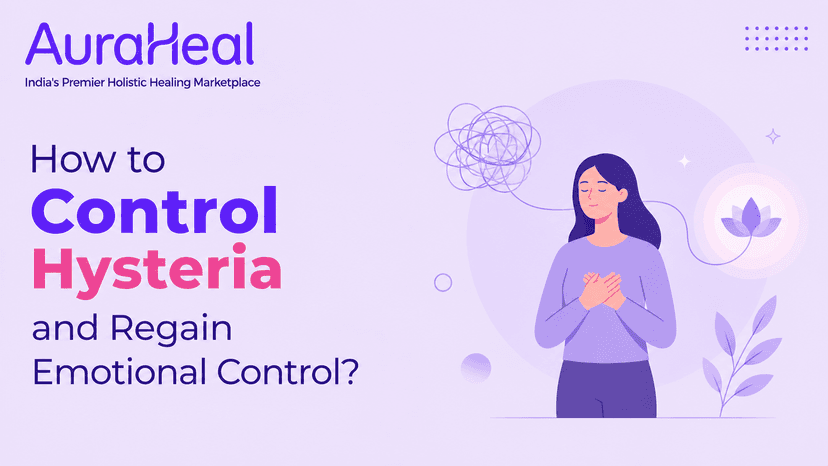
Sometimes intense emotions can become so overpowering that an individual loses the ability to think, breathe and react in a peaceful manner. In the past, the term “hysteria” was used for describing intense emotions, panic, fear and a state of losing control temporarily. Nevertheless, hysteria is not a contemporary diagnosis of a person’s health condition. Today, these experiences may relate to anxiety, panic attacks, phobias, trauma responses, or other mental health concerns.
Learn more about how to control hysteria, manage overwhelming emotions, and build healthier emotional coping skills.
What is Hysteria Nowadays?
Term hysteria is outdated and is no longer used in psychology and modern medicine. This word can be used casually to describe a person who demonstrates extreme emotions, panic, fright, or a lack of ability to control themselves.
There can be many reasons behind such a reaction. Intense anxiety, chronic stress, trauma, and phobias are among those reasons. For example, a panic attack causes symptoms such as the accelerated heartbeat, trembling, dizziness, chest pain, and intense fear. Extreme phobia leads to crying, screaming, freezing, or the feeling of extreme need to flee. Trauma reminders also may lead to sudden emotional and physical reactions.
The most important thing is that it is really difficult to handle emotional overwhelm although the terminology used to describe such experience is outdated.
Why Can Anxiety Lead to Emotional Overwhelm?
Anxiety can activate the stress response for an extended period of time. As soon as the brain detects a danger, the nervous system prepares the body for the reaction. The heart rate increases, the breathing changes, and muscles become tense.
Such physical sensations can become scary. For example, a person might notice the fast heartbeat and assume that something terrible is happening with them. Such an idea can make the situation even scarier, making the symptoms even worse.
It creates the following cycle:
physical sensation – frightening idea – increased anxiety – more physical sensation.
To break the cycle, it is necessary to calm the body and create a pause before the reaction.
How to Control Hysteria during the Episode
Emotional episodes may seem overwhelming; however, there are several things that can help restore the state of calmness and control. If an emotional episode starts, the following techniques can be helpful to return to normal condition.
1. Breathe Slower
Slow breathing will help to lower the intensity of emotional response. In case of anxiety, breathing becomes fast and shallow, leading to dizziness and tension.
Breathe slowly through your nose, and your exhalation should be slower than the inhalation. Try to maintain a comfortable breathing rhythm and do not force yourself to stop being anxious at once.
The purpose is to help the nervous system understand that you are safe now.
2. Try the 5-4-3-2-1 Grounding Technique
This technique directs one’s focus from disturbing thoughts to the present environment.
Name:
5 things that you can see around
4 things that you can touch
3 things that you can hear
2 things that you can smell
1 thing that you can taste
3. Name the Emotion That You are Experiencing
The process of naming the emotion creates some kind of separation from it. For instance, instead of thinking about “something terribly wrong” you will say that “you are having a strong anxiety right now.”
You can name the emotion as fear, frustration, anger, and so on.
4. Move to a Calm Environment
Being in crowded places, hearing disturbing sounds, being involved in arguments, having too much light and stressful discussions all add to emotional stimulation.
Move to some quiet place where you can have some rest. If someone else needs help in such a situation, speak in a calm voice and don’t criticize or shout at them.
5. Take a Short Walk
Walking can be helpful as a good physical distraction from the state of anxiety. It changes the surroundings, uses your muscles and occupies your attention with something concrete.
It takes only a few minutes to relax your body and mind a little. Avoid walking if you feel dizzy or insecure.
6. Speak to Someone You Trust
Having a strong anxiety can be difficult if you are by yourself in such a situation. Discussing it with someone whom you trust like a family member, a friend, a mental health specialist and so on will help you calm down.
Say, for example, “I am feeling overwhelmed and I need someone to stay with me.”
How To Identify Common Triggers
Emotional overwhelm may stem from various scenarios, behaviors, and experiences. Here are some common triggers that might lead to emotional episodes:
Prolonged Stress: Chronic stress at work, interpersonal struggles, financial problems, or personal problems can exacerbate emotions.
Trauma and Anxiety: Traumatic memories, panic disorders, phobia, and general anxiety might be some triggers for emotional episodes.
Lifestyle Triggers: Inadequate sleep, high caffeine intake, unhealthy habits, and stressful content can make emotions hard to handle.
Keep Track of the Pattern: Document your stresses, thoughts, physical sensations, and coping mechanisms in order to find out the triggers.
Spot Early Signs: Note any racing thoughts, hyperventilation, irritability, muscle tension, or growing fear prior to an episode of emotion.
How To Build Your Emotional Resilience
Dealing with an emotional episode might give you temporary relief, but only consistent healthy practices will bring long-term improvement. Here are some techniques you can use in order to build your emotional resilience:
Develop Healthy Habits: Have a stable sleeping pattern, maintain a balanced diet, exercise, and take time for relaxation.
Mindfulness Exercises: Practice meditation, controlled breathing, writing down your thoughts, and being mindful.
Lessen Stress Exposure: Minimize the amount of excessive caffeine, stress-causing social media content, and unnecessary exposure to stressful situations.
Get Professional Assistance: Seek professional advice if your emotional episodes impact negatively on relationships, career, sleeping patterns, or other parts of everyday life.
Think About Therapy: Cognitive Behavioral Therapy (CBT) can help you recognize your irrational thoughts and learn how to cope with them.
Conclusion
Extreme emotions might be scary, but with proper handling and support, they can become more manageable. Learning about triggers and building healthy emotional management skills is what brings long-lasting results.
Book a session today on Auraheal and connect with expert healers for personalized emotional wellness support.
Keep Exploring
The Hook: Why Am I Clinging to Someone?
Clinging to someone often stems from emotional dependence, fear of loss, insecurity, or difficulty letting go.
Verbal Arrows: How Can I Control My Anger?
Anger can be controlled by identifying triggers, pausing before reacting, expressing feelings calmly, and practicing healthy coping strategies.
Mental Grasp: How Can I Stop Overthinking?
Mental grasp involves recognizing overthinking patterns, challenging unhelpful thoughts, practicing mindfulness, and focusing on what you can control.
Ready to Realign Your Energy?
Discover the root cause of your energetic blocks with Babita Ji — experience a profound shift completely complimentary.
Book Free Session Now